

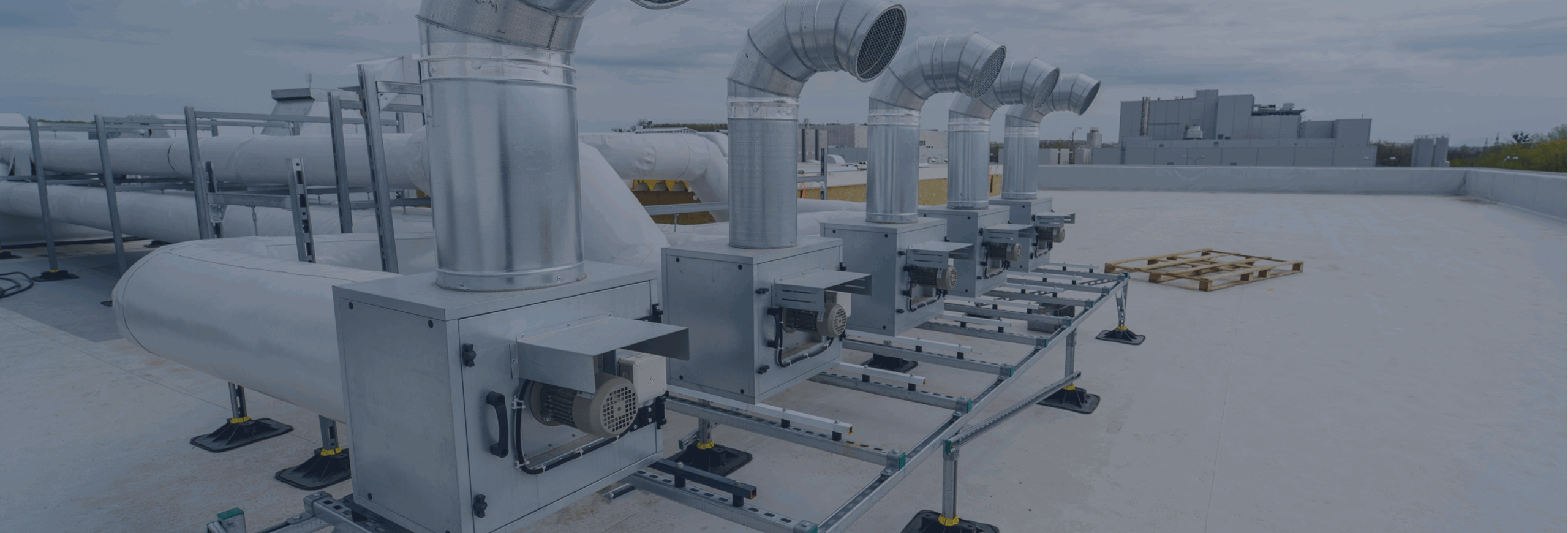
HVAC/R PRODUCTS & SYSTEMS
Your one-stop-shop for reliable HVAC/R solutions
Products
-

Cemline
CEMLINE CORPORATION® has manufactured tanks, pressure vessels, packaged water heaters, unfired clean steam generators, and…
-

Carrier
Whether it’s Chillers and Air Handling Units for centralized cooling, Fan Coil Units or Heat…
-

Carel
Comprehensive Humidification product offerings include both Isothermal & Adiabatic type, with unique integration of in-house…
-
ALFA LAVAL
Alfa Laval’s heat transfer solutions are not only optimized for your application, they are even…
-

Advance Industrial Refrigeration
Advance Industrial Refrigeration was founded in 2008. Located in Augusta Georgia, AIR is a full…
FAQS
cooling systems
What is the best heating system for energy efficiency in large commercial buildings?
High-efficiency condensing boilers and heat pumps offer the best balance of efficiency and performance.
How can I size a heating system accurately for my project?
A heat load calculation ensures correct sizing based on building envelope, ventilation needs, and occupancy.
What are the differences between hydronic and forced-air heating systems?
Hydronic systems use water for heat distribution, providing consistent warmth, while forced-air systems rely on ductwork.
What advancements in heating technology should I consider for my designs?
Modulating burners, low-NOx emissions technology, and smart heating controls enhance efficiency and compliance.
HEATING SYSTEMS
What is the best heating system for energy efficiency in large commercial buildings?
High-efficiency condensing boilers and heat pumps offer the best balance of efficiency and performance.
How can I size a heating system accurately for my project?
A heat load calculation ensures correct sizing based on building envelope, ventilation needs, and occupancy.
What are the differences between hydronic and forced-air heating systems?
Hydronic systems use water for heat distribution, providing consistent warmth, while forced-air systems rely on ductwork.
What advancements in heating technology should I consider for my designs?
Modulating burners, low-NOx emissions technology, and smart heating controls enhance efficiency and compliance.
Ventilation SYSTEMS
What is the best heating system for energy efficiency in large commercial buildings?
High-efficiency condensing boilers and heat pumps offer the best balance of efficiency and performance.
How can I size a heating system accurately for my project?
A heat load calculation ensures correct sizing based on building envelope, ventilation needs, and occupancy.
What are the differences between hydronic and forced-air heating systems?
Hydronic systems use water for heat distribution, providing consistent warmth, while forced-air systems rely on ductwork.
What advancements in heating technology should I consider for my designs?
Modulating burners, low-NOx emissions technology, and smart heating controls enhance efficiency and compliance.
Specialty solutions
What is the best heating system for energy efficiency in large commercial buildings?
High-efficiency condensing boilers and heat pumps offer the best balance of efficiency and performance.
How can I size a heating system accurately for my project?
A heat load calculation ensures correct sizing based on building envelope, ventilation needs, and occupancy.
What are the differences between hydronic and forced-air heating systems?
Hydronic systems use water for heat distribution, providing consistent warmth, while forced-air systems rely on ductwork.
What advancements in heating technology should I consider for my designs?
Modulating burners, low-NOx emissions technology, and smart heating controls enhance efficiency and compliance.
Get your HVAC/R project started with HATCH
Reach out to us for dependable HVAC/R expertise. Discover the HATCH difference.